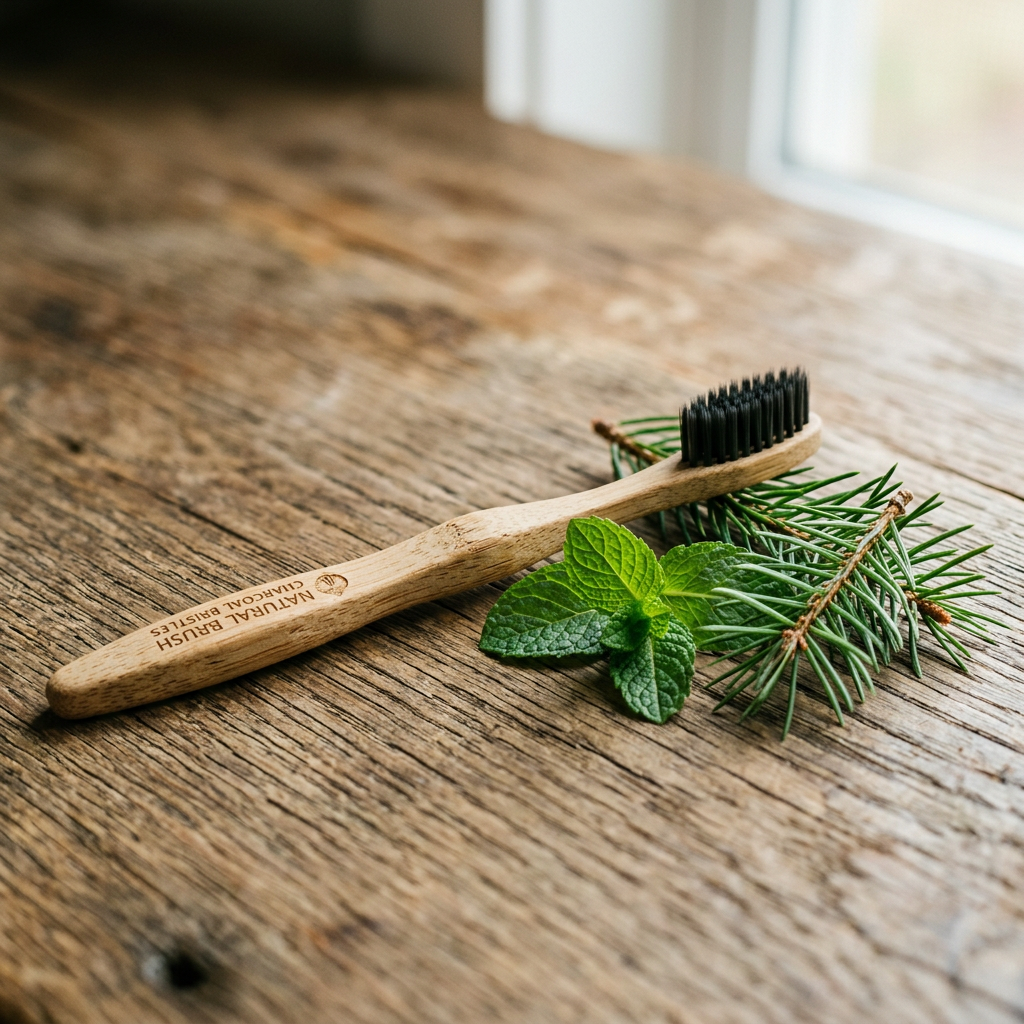
There is no such thing as a non-toxic toothbrush. However, we can inform ourselves in order to make a better choice on a safer toothbrush for our families and our environment. We use toothbrushes every day, sometimes twice a day, and those bristles touch our gums and mouth tissue constantly. Over time, repeated exposure matters, especially when most brushes are made from plastics, synthetic fibers, or dyed materials. Many toothbrushes are marketed as “clean,” “green,” or “eco-friendly,” but those claims do not always tell the whole story. For a full overview of safer oral care, see our complete non-toxic oral care guide.
Why Your Toothbrush Matters More Than You Think
The Mouth Is a High-Absorption Area
The tissues in the mouth absorb substances quickly. Chemicals in bristles or handles can enter the bloodstream faster than through the skin. Even small amounts matter over time. Using a non-toxic toothbrush helps limit exposure to unwanted toxins.
Kids Are More Vulnerable to Low-Level Toxins
Children are more sensitive to chemicals than adults. Their growing bodies absorb substances faster. Everyday exposure from a toothbrush can accumulate over time.
The Problem With Conventional Plastic Toothbrushes

Nylon Bristles and Microplastic Exposure
Most conventional toothbrushes use nylon bristles. Every time you brush, tiny fibers break off. Over time, these microplastics can be swallowed or absorbed. Researchers have confirmed that toothbrush bristles shed microplastic particles during normal use. Recent studies found measurable release of nylon and other plastic particles from toothbrushes, with wear increasing over time. Daily exposure might appear harmless, but the effects build gradually over months and years. Choosing a non-toxic toothbrush reduces the risk.
Petroleum-Based Plastics and Endocrine Disruption
In addition to the bristles, handles are usually made from petroleum-based plastics. Some contain BPA or phthalates, chemicals that have been shown to disrupt hormones in both adults and children. These substances can leach into the mouth over time, especially with heat or wear. Reducing contact with these plastics is an easy way to lower chronic chemical exposure for your family.
Environmental Impact of Plastic Toothbrush Waste
Plastic toothbrushes are not biodegradable. Millions end up in landfills or oceans every year. Recycling programs often cannot manage the volume. Choosing a brush made from bamboo or other sustainable materials helps reduce environmental harm.
“Green” Toothbrushes That Are Not as Clean as They Seem
Why “Plant-Based” Does not Always Mean Plastic-Free
Some brushes marketed as “plant-based” still contain nylon or synthetic fibers. Marketing can be misleading. It is important to check the bristle material, not just the handle description.
Recycled Plastic Handles Still Expose the Mouth to Plastic
Recycled plastic handles may reduce waste slightly but do not eliminate chemical exposure. Even small amounts of plastic can leach toxins over time. The mouth absorbs chemicals faster than the skin, making exposure more concerning.
Replaceable Heads: Less Waste, Same Material Problems
Replaceable head toothbrushes are marketed as the eco-friendly middle ground between a manual brush and a full electric setup. The idea is that you keep the handle and replace only the head, reducing the volume of plastic discarded each time. That is a genuine environmental benefit.
The problem is that most replaceable heads are still made from conventional nylon and petroleum-based plastic. You are reducing waste compared to a full brush replacement, but you are not reducing the materials that matter most from a health standpoint. Nylon bristles still shed microplastics. Plastic heads still leach during use. The sustainability argument is real but the non-toxic argument requires looking more carefully at what the head is actually made from.
This distinction matters especially for electric toothbrush heads, because the evidence for electric toothbrushes improving oral health is genuinely strong and worth knowing before you dismiss them over the plastic concern.
Why Electric Toothbrushes Are Worth Keeping
The research on electric toothbrushes is among the most consistent in oral health science. A major Cochrane review found that electric toothbrushes achieved around 21% greater plaque reduction and 11% greater gingivitis reduction compared with manual toothbrushes over longer-term use of more than three months. A study in children aged seven to nine found that an electric brush reduced 51.9% more plaque than a manual brush. That is a meaningful difference, particularly for kids who lack the technique and consistency to get the most from a manual brush.
The mechanism is straightforward. Electric toothbrushes do the movement for you, oscillating, rotating, or sonic vibration, which means consistent plaque disruption regardless of brushing technique. For most people, technique with a manual brush is inconsistent enough that the electric advantage is real and repeatable.
If you already use an electric toothbrush, the answer is not to switch to manual in the name of reducing plastic. The answer is to find cleaner replacement heads. That is what the next section covers.
Why Colored Bristles Are a Concern for Kids
What Toothbrush Dyes Are Typically Made From
Colored bristles often use synthetic dyes. Even dyes labeled “food-grade” are chemical additives. These can leach when the brush is used daily. Children are especially vulnerable because they are more sensitive to chemical exposure.
Why Food-Grade Dyes Still Are Not Ideal for Daily Oral Use
Food-grade does not mean harmless for chronic use and unfortunately many companies market their dyes ‘natural’ solely on the basis that they are food-grade. Choosing brushes with undyed or naturally dyed bristles is a safer choice. If you are not certain whether the colored bristles are dyed naturally, it is best to contact the company directly. For example, I personally contacted Me Mother Earth to inquire about the dye they use for their kid’s non-toxic toothbrush and their response was that ‘the coloring used is natural, plant-based food coloring, added at less than 0.5%.’
Why Undyed Bristles Are the Safer Choice
At the end of the day, undyed bristles remove dye exposure and uncertainty entirely. They reduce the risk of chemical ingestion. For children, this is especially important. They love to bite down and chew on their toothbrushes. A simple, plant-based brush with natural bristles is both safe and effective.
Natural Bristle Toothbrushes (Boar Hair): Pros and Cons
The Benefits of Natural Animal Hair Bristles
Boar bristles are naturally stiff and biodegradable. They can clean teeth effectively and are sometimes marketed as eco-friendly. For some users, they feel more traditional and natural.
What are the Cons of Animal Hair Bristles
Boar bristles hold water after brushing. This can create a damp environment that promotes bacterial growth. The fact that boar hair is slow drying increases hygiene concerns and maintenance requirements.
Fraying, Hygiene, and Gum Sensitivity Concerns
Boar bristles fray faster than synthetic or castor bean bristles. When the bristles split, they can scratch or irritate gums. Frayed bristles also clean teeth less effectively. In turn, these brushes need to be replaced more often, which adds expense over time.
The Cleanest and Effective Toothbrush Option Available Right Now
What Are Castor Bean Bristles?

Castor bean bristles are made from a bio-based nylon called Nylon-1010 or Nylon-11, derived from castor oil rather than petroleum. The simplified process: castor beans are grown, oil is extracted from the seeds, chemically converted into polymer building blocks, polymerized into nylon filaments, then stretched and formed into bristles. The result is a plant-derived plastic, not a natural fiber, but one that avoids petroleum entirely and introduces no BPA or endocrine-disrupting chemicals. It is soft, durable, moisture-resistant, and gentle on gums.
That said, it is still a plastic polymer and quite far removed from the original plant by the time it becomes a bristle. Like many industrial crops, castor plants can be grown with systemic pesticides that absorb into the plant tissue itself, not just the outer hull. Whether those residues survive the refining and polymerization process is not well studied. The heat and chemical intensity of manufacturing is significant, and many researchers believe it effectively eliminates agricultural residues, but there is no definitive research confirming this for toothbrush bristles specifically. Organic castor bean sourcing removes that uncertainty entirely. Truly organic castor bean bristles are rare and harder to find, so if a brand specifies organic sourcing it is worth noting. If they do not, castor bean is still a meaningful step up from conventional nylon. You are trading a known problem for an unresolved question, which for many families is still the better trade-off.
Why Bamboo Handles and Castor Bean Bristles Work Together
Bamboo handles are strong, lightweight, and biodegradable, making them the most practical alternative to petroleum-based plastic handles currently available. Paired with castor bean bristles, you get a toothbrush that avoids synthetic plastics, does not shed microplastics during brushing, and introduces no known endocrine-disrupting chemicals. It is not a perfect solution, but it is a significantly cleaner one.
Caring for a Bamboo Toothbrush
Bamboo handles require slightly more attention than plastic when it comes to hygiene. Because wood is more porous than plastic, moisture management matters. The good news is that with a simple routine, bamboo brushes are just as hygienic as conventional ones. After each use, rinse the bristles thoroughly and shake off excess water. Wipe the handle dry rather than letting water pool in the holder. Store it upright in a well-ventilated spot away from the shower splash zone. Once a week, leave it in indirect sunlight for an hour to dry completely. Replace it every three months or when bristles begin to splay, the same timeline as any toothbrush. The bamboo handle itself has natural antimicrobial properties, so proper drying is really the only extra step required.
Electric Toothbrush Heads: Cleaner Options Exist
Finding plant-based replacement heads for an electric toothbrush has historically been nearly impossible. That is changing. Several brands now offer castor bean bristle heads compatible with Philips Sonicare, and at least one offers a fully plant-based electric toothbrush system. None of them are perfect, but all of them represent a meaningful reduction from conventional petroleum-based plastic heads.
Sonicare-Compatible Replacement Heads
If you already own a Philips Sonicare and want a cleaner replacement head, these are the options worth knowing about.
Truthbrush makes what they describe as the world’s first solid bamboo electric toothbrush head with no hidden plastic core. The bristles are 100% castor oil, the bamboo is FSC certified, and the brand is B-Corp certified, the highest standard for social and environmental accountability. Their materials page is unusually transparent, including an honest explanation of why they use castor oil bristles instead of fully biodegradable ones. Before purchasing, check their compatibility list for your specific Sonicare model as they list exact model numbers.
Booheads offers two Sonicare-compatible replacement head options worth knowing about. The Sonibio has a wheat straw body blended with biodegradable PLA and a castor oil and nylon bristle blend, not 100% castor bean, but a meaningful reduction from conventional petroleum-based plastic. The Soniboo uses a bamboo body with castor oil bristles, which is the cleaner bristle option of the two. However, they both come with colored bristles. We have contacted Booheads directly to ask about the dye used and will update this section once we have a response. In the meantime, check their compatibility tool before ordering to confirm your specific Sonicare model is supported.
ELIMS claims 100% castor bean bristles with bamboo heads compatible with Philips Sonicare 3, 6 and 9 Series. Their colored bristle option caught our attention and we have reached out directly to ask about the dye used and will update this section once we have an answer. If the dye is plant-based and verifiable, ELIMS becomes one of the strongest Sonicare-compatible options currently available.
Looking for a New Electric Toothbrush Entirely?
For families looking to start fresh with a new electric toothbrush rather than replacing heads on an existing one, SURI is currently the strongest option from a materials and transparency standpoint. The handle is aluminum, engineered for disassembly and repair rather than disposal. The brush heads are made from cornstarch PLA with castor oil bristles, are undyed, and SURI will recycle used heads for free with prepaid postage in both the US and UK. The brand is B-Corp certified and delivers 33,000 sonic vibrations per minute. It is not a cheap entry point, but it is designed to be the last toothbrush handle you buy. If you are going to invest in an electric toothbrush and want to avoid petroleum-based plastics throughout, SURI is the most credible option currently available.
Better and Better is a newer brand offering a bamboo sonic toothbrush with 100% castor bean bristle replacement heads. It is a more affordable entry point and the material claims are consistent and specific. It does not have the same level of independent verification or certification as SURI, and we have not personally tested it yet. We will update this section once we have. For now it is worth knowing the option exists, particularly for families who want a plant-based electric system without the premium price tag.
What About Charcoal Electric Heads?
Charcoal-infused bristles are marketed for antibacterial properties and whitening. The antibacterial claim has some limited support. The whitening claim does not. Research has linked charcoal bristles to increased enamel surface roughness over time, particularly near the gumline, and no charcoal toothbrush has received ADA approval due to unresolved safety questions around abrasiveness. In an electric toothbrush, where mechanical action is already more aggressive than manual brushing, charcoal bristles add an additional abrasive variable. Our recommendation is to avoid charcoal bristles in any format until more long-term research exists on their safety.
What We Use (and Why)

Finding a toothbrush that genuinely reduces plastic exposure without compromising performance takes more research than it should. These are the two brands our family uses, both chosen after looking at materials, sourcing, and manufacturing practices rather than marketing language.
Sea Turtle Manual Toothbrushes
For manual brushing, we use Sea Turtle Toothbrush. Their handles are sustainably sourced bamboo and their bristles are USDA Bio-Preferred certified castor bean, meaning the plant-based sourcing has been verified rather than just claimed. They are undyed, minimally processed, and work exactly as well as any conventional brush. For families switching from plastic for the first time, this is the easiest place to start.
No toothbrush on the market is perfect yet. Sea Turtle is the closest we have found to what we would want in a manual brush given current materials and technology.
5 Things to Look for in a Non-Toxic Toothbrush
- Castor bean or non-petroleum bristles
- Undyed or naturally colored bristles
- Bamboo or wood handle
- BPA-free and phthalate-free
- Transparent material sourcing
Final Thoughts: Small Daily Choices Matter
Every toothbrush on the market involves some trade-off right now. The goal is not perfection, it is meaningful reduction. A bamboo handle with castor bean bristles is not a flawless solution, but it is a significantly cleaner daily choice than petroleum-based plastic. Start with the highest-contact item, the bristles, and go from there.

Leave a Reply